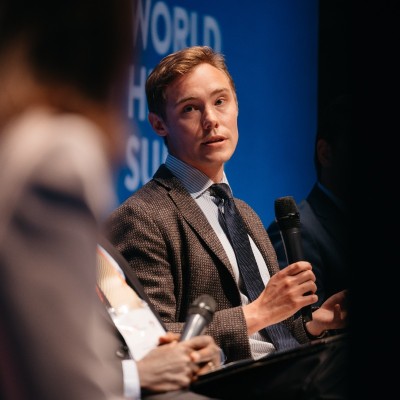
Alexander John Büsser
I build clinically deployable AI systems for diagnostics, disease modeling, and real-world evidence generation.
Over the past decade I have led AI, product, and engineering initiatives across IBM, Roche, Idorsia, and Exploris Health — contributing to launched medical products, regulatory-grade diagnostics, and large-scale real-world evidence platforms.
My current focus areas:
- clinically grounded foundation models
- multimodal disease representation learning
- regulatory-grade AI for diagnostics
- translational evidence generation across pharma and devices
My background combines machine learning training at EPFL, SNU, and IBM with a strong clinical track record — having shaped or led evidence programs at GSK, Sanofi, and Idorsia. I have used this combination to launch two diagnostic products in endocrinology and cardiology, including the Accu-Chek SmartGuide CGM, which scaled to eight-figure (€) revenue in under three years.
My current focus is developing foundation models for the early detection of coronary artery disease — to help prevent avoidable myocardial infarctions.
At a glance
Diagnostics
Two launched products in endocrinology and cardiology, deployed in real clinical practice: Accu-Chek SmartGuide CGM and Cardio Explorer.
Pharma evidence
Real-world evidence work supporting launches of blockbuster therapeutics including Daridorexant and Toujeo.
Publications
Nature Medicine, Communications Medicine, and issued patents.
Industry
IBM, Roche, Idorsia, Exploris Health. Global IBM Innovation Award recipient.
AI focus
Clinical foundation models and multimodal disease representation learning.
Regulatory
Hands-on experience shipping Software-as-a-Medical-Device (SaMD) under regulated quality systems, with a strong focus on clinical evidence generation for regulatory approval.
Selected Products & Translational Impact
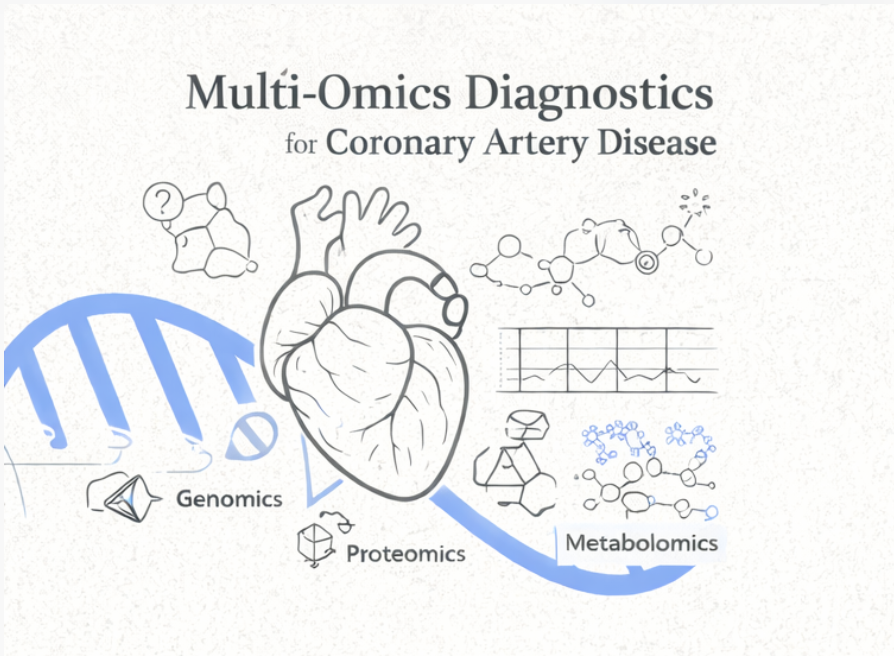
Cardio Explorer
Built and led the science, regulatory, and product/engineering function end-to-end; hired and managed a 5-person team, secured key regulatory approvals, and drove early adoption with leading hospitals.
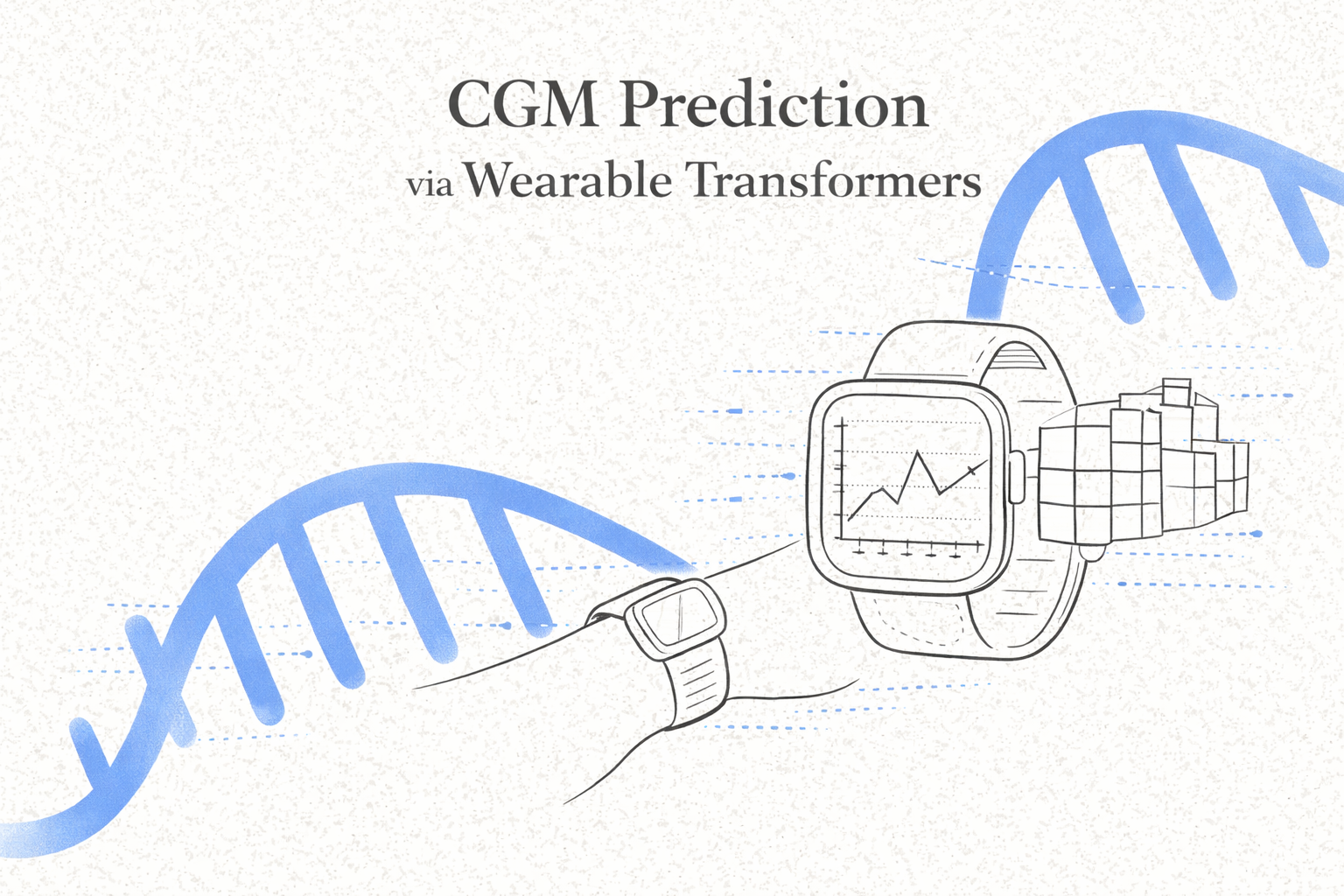
Accu-Check SmartGuide CGM
Responsible for the full product lifecycle for an AI-driven Software-as-a-Medical-Device (SaMD), managing a seven-figure (€) budget. Scaled the engineering and product team from early-stage R&D (2 FTE) to 30+ FTE and substantially improved diagnostic algorithms using early transformer architectures, earning a global IBM Innovation Award.
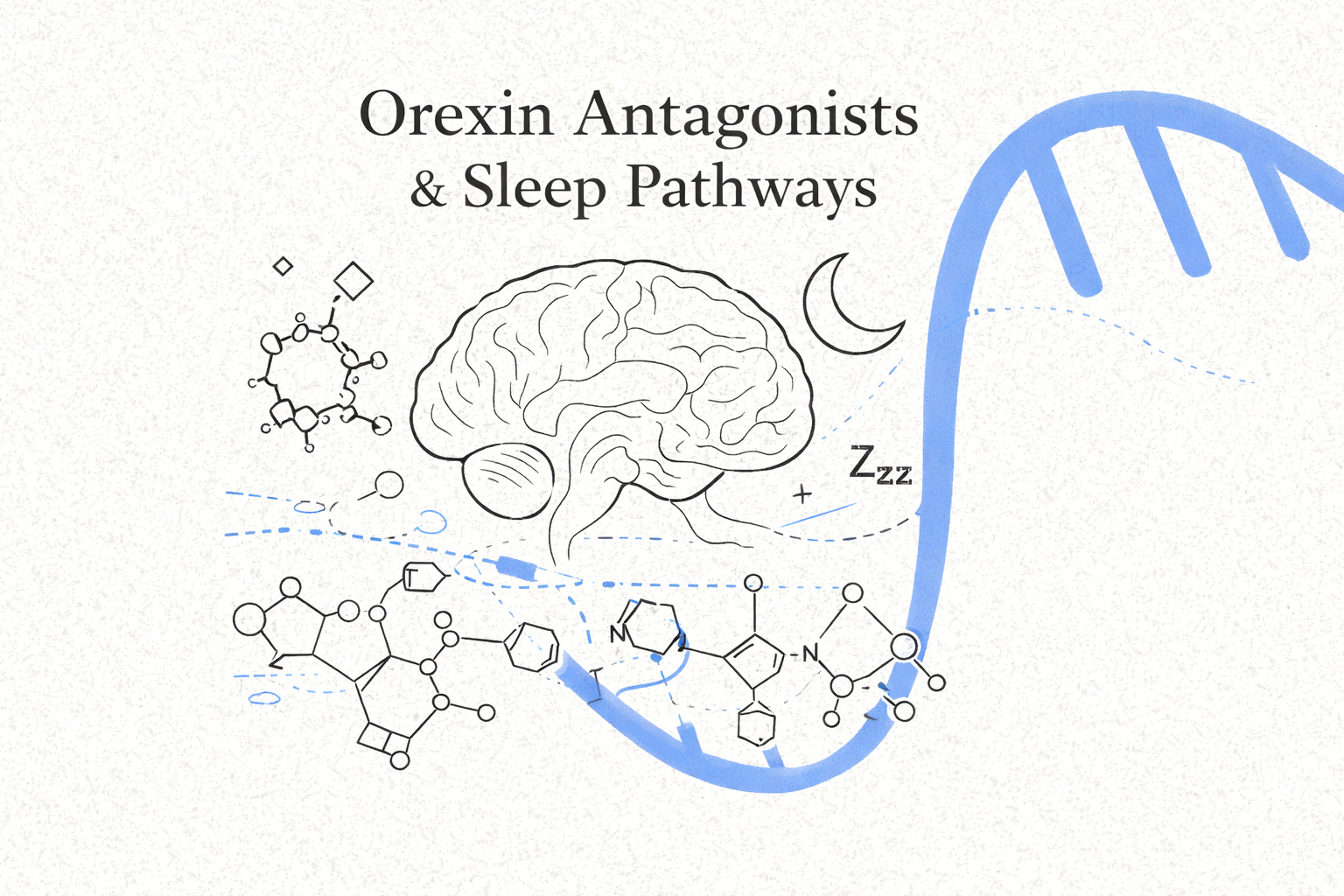
Daridorexant
Orexin receptor antagonist program supported by evidence strategy and RWE.
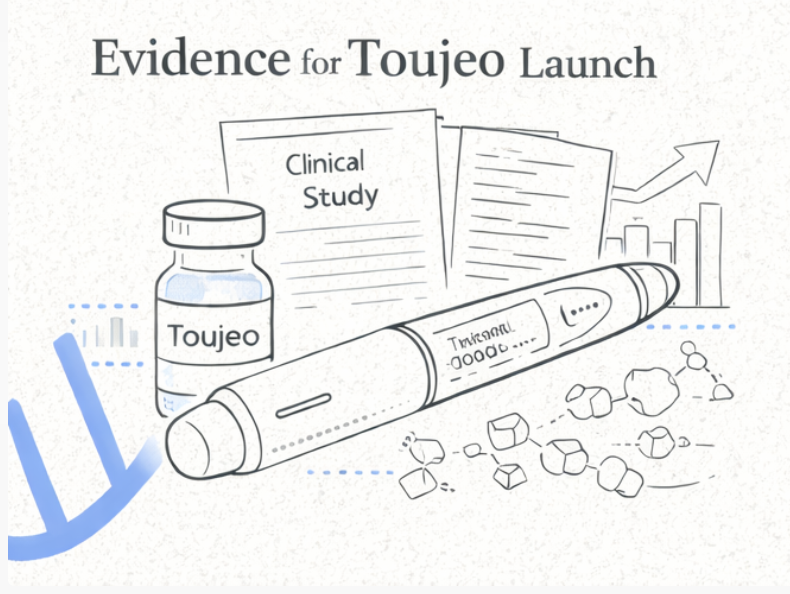
Toujeo
Long-acting insulin supported by real-world evidence and launch enablement work.
Current Research Themes
My research centers on representation learning for clinical and physiological data, with an emphasis on safety, grounding, and translational utility.
Physiologically grounded foundation models
Guiding transformers toward physiologically meaningful behavior rather than purely statistical pattern matching.
Clinical representation learning
Compact, transferable representations of patients, encounters, and trajectories learned from noisy real-world data.
Disease ontology learning
Using language models to learn new disease representations directly from clinical text and codes.
Multimodal cardiovascular diagnostics
Combining laboratory, imaging, and signal modalities for the earliest possible detection of coronary artery disease.
Real-world evidence modeling
Methods for treatment-effect estimation and biomarker discovery on biased, incomplete observational data.
Translational ML safety
Safety, calibration, and uncertainty quantification for models intended for regulated clinical deployment.
Reach out
I welcome thoughtful conversations with teams and founders working on meaningful healthcare and AI challenges.
Topics I’m especially happy to discuss:
- AI diagnostics and foundation model strategy
- Real-world evidence design for product launches
- Product and engineering leadership for regulated AI / SaMD
- Scientific advisory for HealthTech startups and pharma teams
- Speaking engagements and workshops on AI in healthcare