
Alexander John Büsser
Product, Engineering & Real-World Evidence leader with 12+ years of experience in tech and biotech (IBM, Idorsia, Roche, Exploris Health). Expertise in machine learning (EPFL, IBM), recognized with innovation awards and publications (Nature Medicine). Proven ability to build high-performing R&D teams, playing a key role in launching a glucose management & prediction appthat scaled to eight-figure (€) revenue in 3 years.
Short Bio
I’m the founding Product and Engineering leader at Exploris Health, where I design and build clinical foundation models and AI diagnostics for cardiovascular disease. My work spans product positioning and placement, clinical development and evidence generation, and R&D of foundation models.
Previously, I served as a Director at Idorsia, leading Real-World Evidence, HTA Statistics, and a Computational Science group supporting both development and commercialization. Before that, I was the Global Product and Machine Learning Leader at IBM, responsible for the Life Sciences portfolio within IBM’s Global AI Team. I began my career as an Equity Structurer at Deutsche Bank, developing quantitative models in high-pressure, decision-critical environments.
I hold a postgraduate degree (Master’s level) in Computer Science from École Polytechnique Fédérale de Lausanne.
Selected Products & Translational Impact
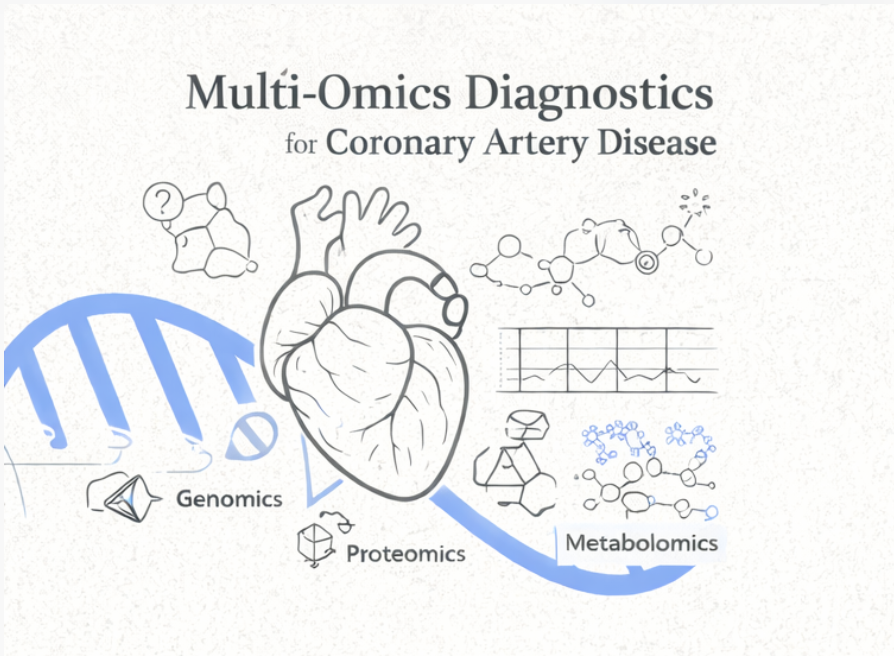
Cardio Explorer
Built and led the science, regulatory, and product/engineering function end-to-end; hired and managed a 5-person team, secured key regulatory approvals, and drove early adoption with leading hospitals.
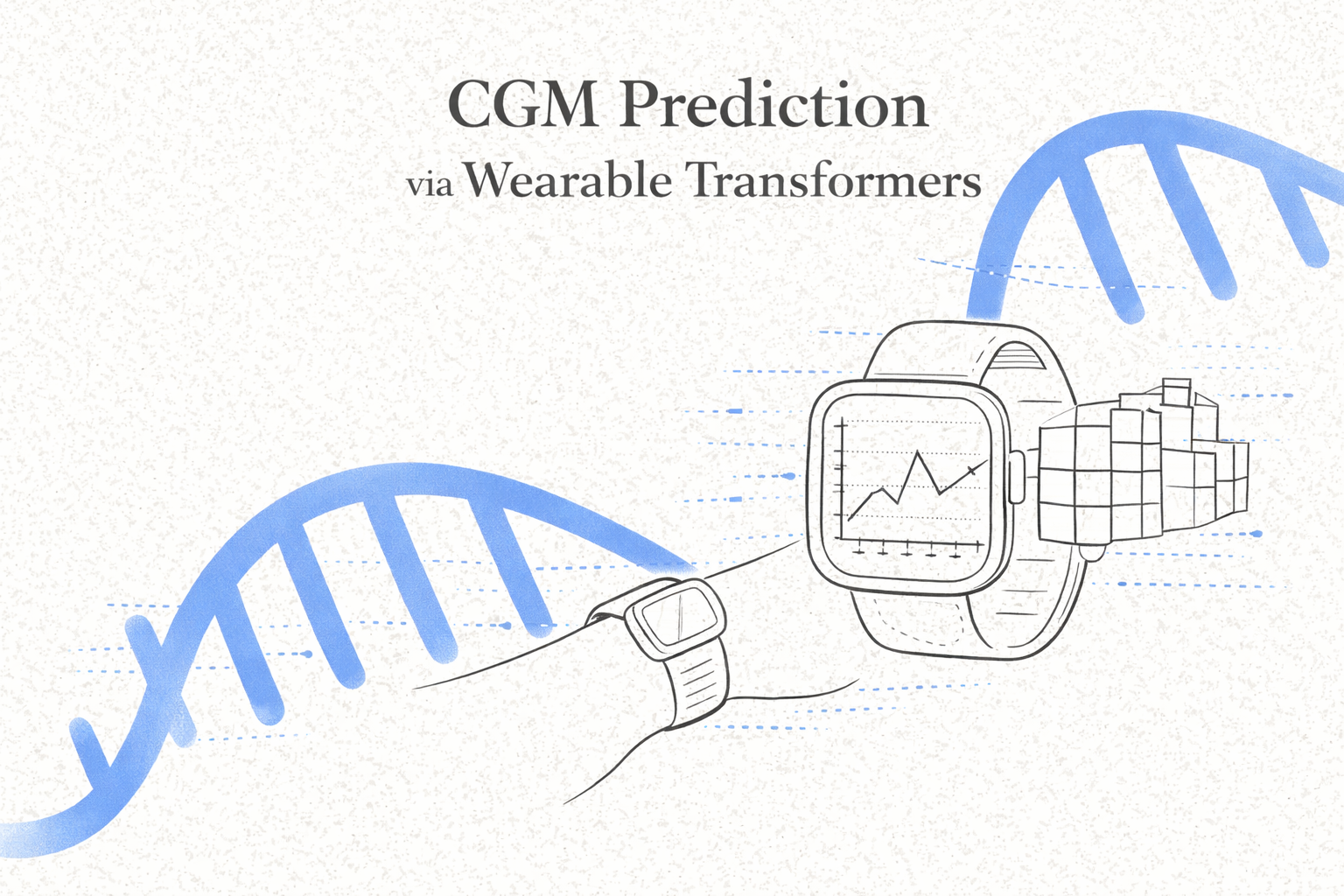
Accu-Check SmartGuide CGM
CGM innovation combining sensing and analytics to improve diabetes management.
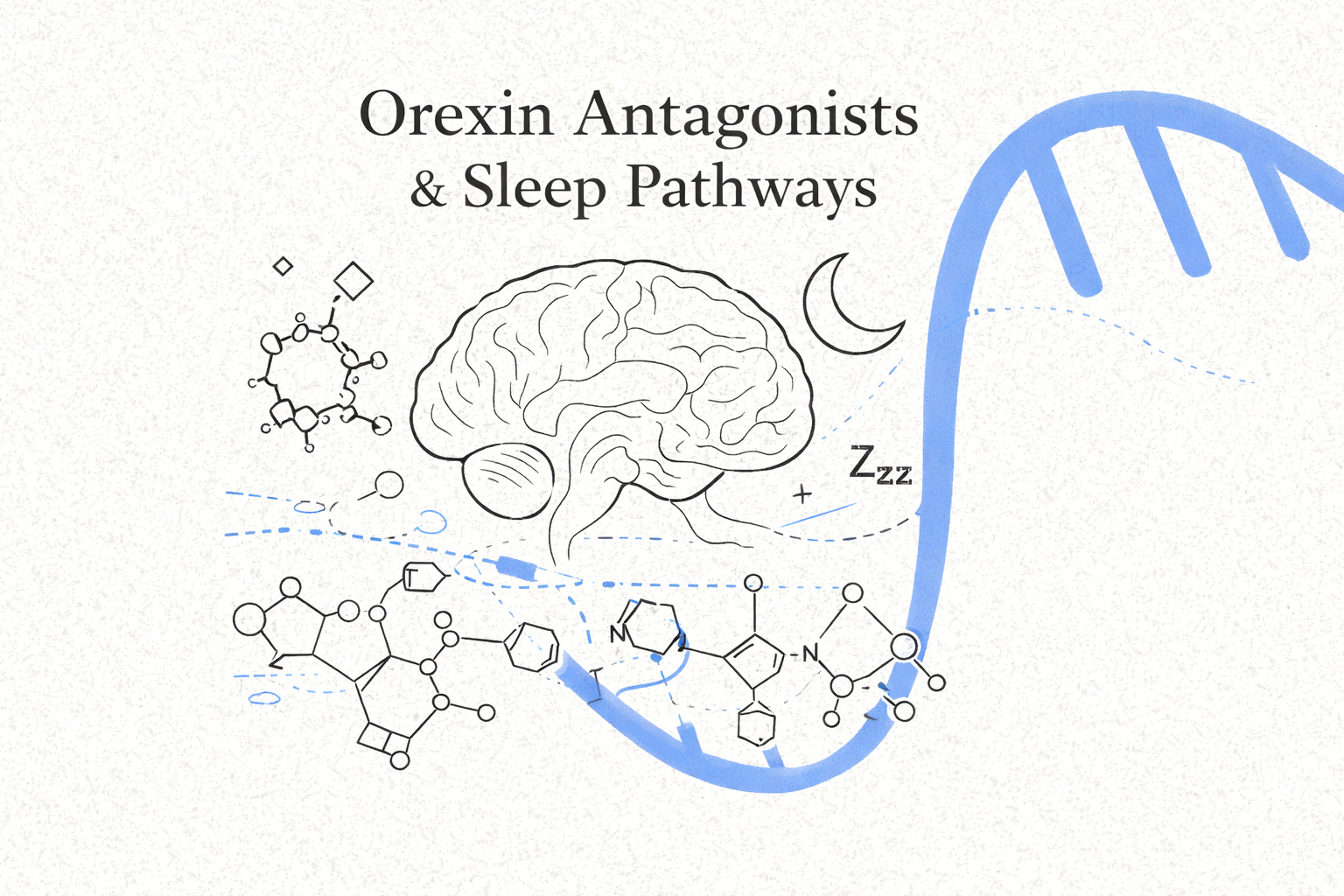
Daridorexant
Orexin receptor antagonist program supported by evidence strategy and RWE.
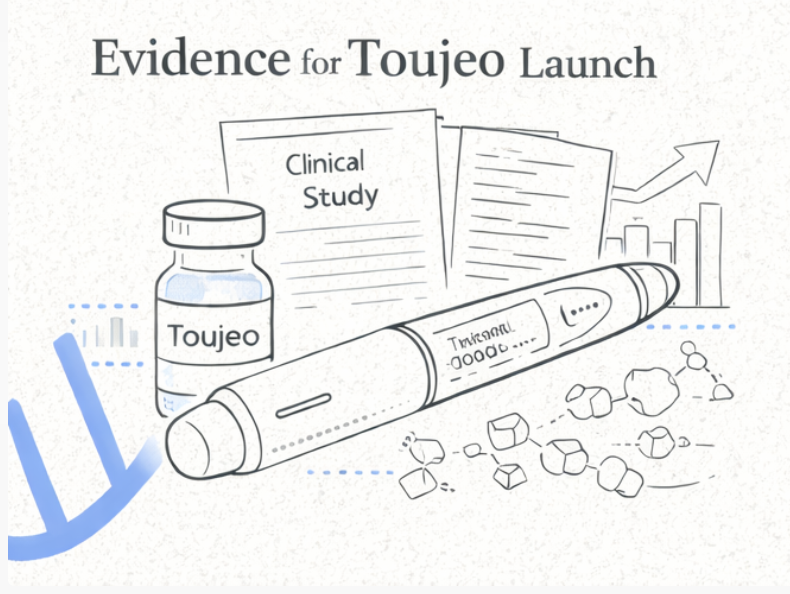
Toujeo
Long-acting insulin supported by real-world evidence and launch enablement work.
Research & Innovation
My research centers on representation learning for clinical and physiological data, with an emphasis on safety, grounding, and translational utility. I develop methods that:
• model noisy, biased, and incomplete real-world data,
• guide transformers toward physiologically meaningful behavior,
• improve biomarker discovery and multimodal disease modeling,
• enhance diagnostic accuracy and treatment-effect estimation, and
• apply language models to learn new disease representations (ontologies)